Bringing Color to History
How AI colorization is changing the way we see the past. A deep dive into neural network color prediction.
Seeing the Past in Color
Black and white photographs hold a certain timeless beauty, but they also create a psychological distance. When we see a monochrome image, our brain categorizes it as "the past" — something removed from our lived experience. Add color, and suddenly the people in those photos feel present, real, and relatable.
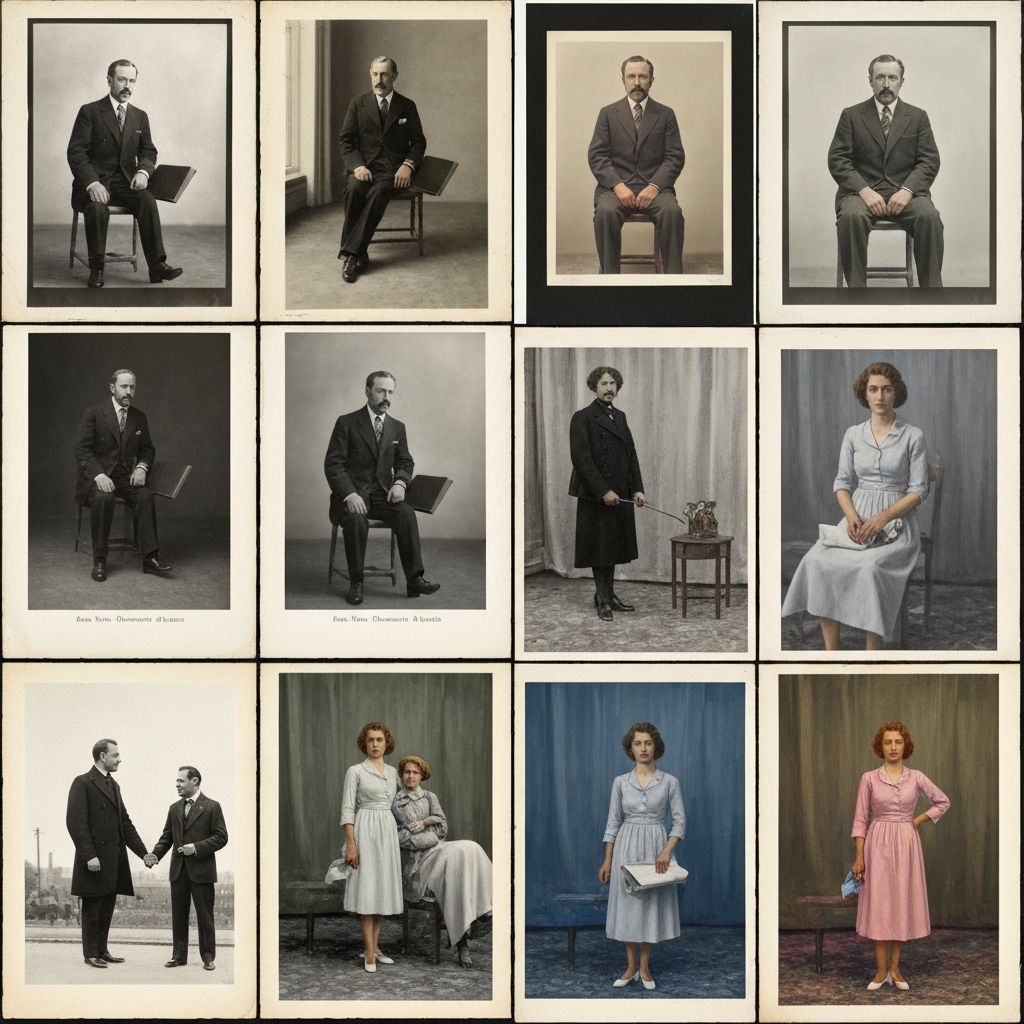
AI colorization bridges this gap. Using deep neural networks trained on millions of color images, modern algorithms can predict the original colors of a black and white photograph with remarkable accuracy. This is not simple tinting or hand-painting — it is intelligent, context-aware color prediction.
How AI Colorization Works
Traditional colorization required skilled artists to manually paint color onto each element of a black and white image. This process could take hours or days for a single photograph.
AI colorization works differently. Here is the simplified process:
- Scene analysis — the neural network identifies objects in the image: sky, grass, skin, clothing, wood, metal, etc.
- Context mapping — the AI considers the relationships between objects. A person outdoors in a field suggests green grass and blue sky.
- Color prediction — for each pixel, the model predicts the most likely color based on its training data of millions of real-world color photographs.
- Refinement — the final pass ensures color consistency across the image, preventing jarring transitions or unrealistic hues.
The result is a naturally colored photograph that often looks like it was shot on color film from the beginning.
What Makes Good Colorization
Not all colorization is created equal. The best results share several characteristics:
Accurate Skin Tones
Human skin is incredibly complex — it varies by ethnicity, age, lighting, and health. Poor colorization tools often make everyone look orange or grey. Good AI models like the one in Restory are trained on diverse datasets and produce natural, varied skin tones.
Realistic Environments
The sky should be blue, grass should be green, and sunsets should be warm. But beyond the obvious, good colorization handles subtlety — the blue-grey of overcast skies, the yellow-green of early spring, the warm amber of indoor tungsten lighting.
Fabric and Texture
Clothing, upholstery, and other fabrics are particularly challenging because the AI cannot know what color a specific dress was. However, it can make educated predictions based on the era, formality, and style of the garment. The key is that the colors chosen should be plausible, even if not historically exact.
Consistent Lighting
If the light source in the photo is warm (like a sunset), all colors in the scene should reflect that warmth. Good colorization maintains this consistency across every element.
Best Practices for Colorizing Old Photos
To get the best results when colorizing your black and white photos:
Start With a Clean Image
Scratches, stains, and damage can confuse the colorization AI. Restore your photo first — remove scratches, enhance detail, fix tears — then apply colorization as the final step.
Use High-Resolution Scans
More pixels means more data for the AI to analyze. A 600 DPI scan will colorize better than a 150 DPI phone snapshot. The AI needs detail to differentiate between materials and surfaces.
Manage Expectations
AI colorization is a prediction, not a memory. The AI cannot know that grandmother's dress was specifically royal blue. It will choose a plausible color — perhaps navy or teal — but the exact shade is a best guess. Accept this as part of the charm.
Try Multiple Times
Most AI colorization tools, including Restory, may produce slightly different results each time. If the first attempt makes the sky purple instead of blue, try again. The stochastic nature of neural networks means you can often get a better result on a second pass.
The History of Photo Colorization
Colorizing photographs is not a new idea. Here is a brief timeline:
- 1860s — Hand-tinting of daguerreotypes and prints with watercolors and oils
- 1900s — Japanese photographers pioneer detailed hand-coloring techniques
- 1930s — Early color film (Kodachrome) begins to replace hand-tinting
- 1980s — Digital colorization of films sparks controversy (Ted Turner's colorized classics)
- 2016 — First neural network-based automatic colorization models published
- 2023-2025 — AI colorization reaches near-photographic quality in consumer apps
Today, a process that once required days of skilled labor takes seconds on your phone.
Colorization for Different Eras
The era of a photograph significantly affects colorization quality:
1850s-1900s (Daguerreotypes, Tintypes)
These have unique tonal qualities. Results can be excellent for portraits but may struggle with landscape details due to the long exposure times of the era.
1900s-1940s (Silver Gelatin Prints)
The golden age for colorization. These prints typically have excellent tonal range and sharp detail, giving the AI plenty to work with.
1940s-1960s (Transition to Color)
Many photos from this era were shot on both black and white and color film. The AI performs exceptionally well here because the photographic quality closely matches its training data.
1960s-1980s (Late B&W)
These photos often have excellent resolution and tonal quality. Colorization results are typically outstanding.
Creative Uses for Colorization
Beyond restoring family photos, colorization has fascinating applications:
- Education — colorized historical photos help students connect with events
- Journalism — news archives gain new impact when colorized
- Real estate — vintage property photos can show how a building looked in its prime
- Art projects — combine colorization with other effects for unique creations
Getting Started
Colorizing your first black and white photo takes less than a minute with Restory:
- Open the app and upload your black and white photo
- Select the Colorize feature
- Wait a few seconds for the AI to process
- Save your newly colorized image
The result often sparks an emotional reaction — seeing a deceased grandparent in color for the first time, or finally understanding what a childhood home really looked like. That moment of recognition is what makes colorization so powerful.
Ready to see your past in color? Download Restory and bring your black and white memories to life.